Call us now

+91-972-563-8888

209, Silver Radiance-2

Science City Road, Ahmedabad

Mon - Satday

09.00am to 18.00pm

Treatments

Knee preservation surgery

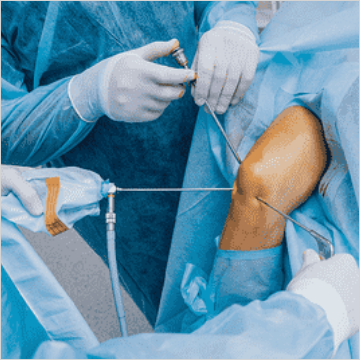
High tibial osteotomy is an orthopaedic surgical procedure which aims to correct a varus deformation with compartmental osteoarthritis. Since the inception of the procedure, advancements to technique, fixation devices, and a better understanding of patient selection has allowed HTO to become more popular in younger, more active patients hoping to combat arthritis. The idea behind the procedure is to realign the weight-bearing line of the knee. By realigning the knee, the force produced from weight-bearing is shifted from the arthritic, medial compartment to the healthy, lateral compartment. This decrease in force or load in the diseased part of the knee joint decreases knee pain and can delay the development or progression of osteoarthritis in the medial compartment.

For emergency, Call Now
📞 +91-972-563-8888

Related Treatments

Do you have any Query?

FAQ’s

1. When should I see an orthopedic doctor?
You should consult an orthopedic doctor if you experience persistent joint pain, swelling, stiffness, back pain, sports injuries, or difficulty in movement. If pain lasts more than a few days or affects your daily activities, early diagnosis can prevent further complications.
Knee replacement may be recommended if you have severe knee pain, stiffness, or limited mobility that does not improve with medication, physiotherapy, or lifestyle changes. An orthopedic specialist will evaluate your condition through examination and imaging tests like X-rays or MRI before suggesting surgery.

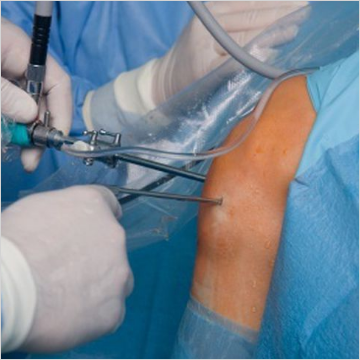
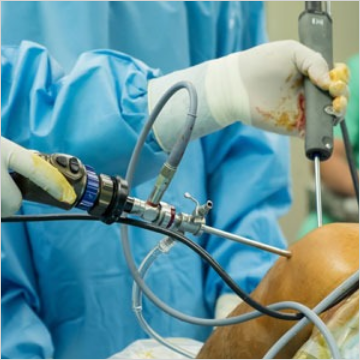
Arthroscopy is a minimally invasive surgical procedure used to diagnose and treat joint problems such as ligament tears or cartilage damage. It involves small incisions and usually results in less pain, minimal scarring, and faster recovery compared to traditional open surgery.

Recovery time varies depending on the patient’s age, health condition, and type of surgery. Most patients start walking within a few days after surgery and resume normal activities within 4–8 weeks with proper rehabilitation and physiotherapy guidance.