Call us now

+91-972-563-8888

209, Silver Radiance-2

Science City Road, Ahmedabad

Mon - Satday

09.00am to 18.00pm

Treatments

Knee Arthroscopic surgery

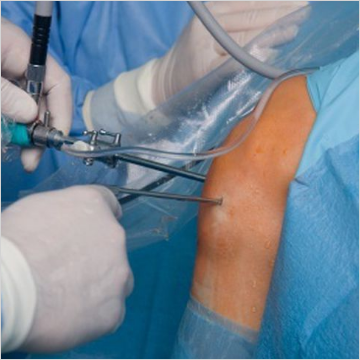
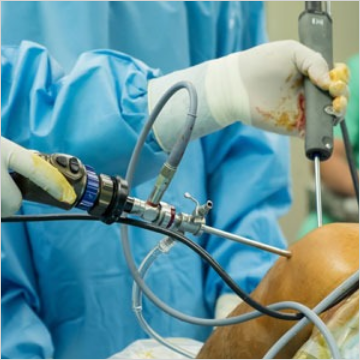
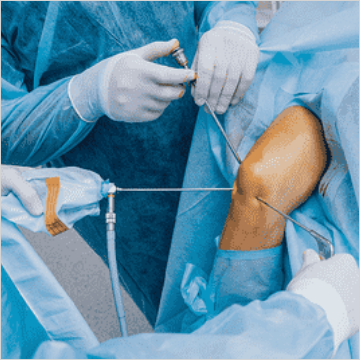
Arthroscopic knee surgery is a surgical procedure that allows doctors to see inside the knee joint, diagnose problems, and treat them. Anaesthesia is administered according to the patient’s preferences and the condition of the knee during this procedure. The skin on the knee will be cleaned to help prevent infection at the surgical site. Portals are small incisions that are made in the knee. With the help of a solution, any cloudy fluid will be rinsed away. After that, the surgeon will insert the arthroscope and guide it with the image projected on the screen.

If surgery is required, our surgeons will determine this. Separate small incisions will be made if surgery is required, and instruments such as shaving, cutting, grasping, and meniscal repair will be used. The incision is then stitched closed, and the knee is wrapped in a soft bandage.

For emergency, Call Now
📞 +91-972-563-8888

Related Treatments

Do you have any Query?

FAQ’s

1. When should I see an orthopedic doctor?
You should consult an orthopedic doctor if you experience persistent joint pain, swelling, stiffness, back pain, sports injuries, or difficulty in movement. If pain lasts more than a few days or affects your daily activities, early diagnosis can prevent further complications.
Knee replacement may be recommended if you have severe knee pain, stiffness, or limited mobility that does not improve with medication, physiotherapy, or lifestyle changes. An orthopedic specialist will evaluate your condition through examination and imaging tests like X-rays or MRI before suggesting surgery.

Arthroscopy is a minimally invasive surgical procedure used to diagnose and treat joint problems such as ligament tears or cartilage damage. It involves small incisions and usually results in less pain, minimal scarring, and faster recovery compared to traditional open surgery.

Recovery time varies depending on the patient’s age, health condition, and type of surgery. Most patients start walking within a few days after surgery and resume normal activities within 4–8 weeks with proper rehabilitation and physiotherapy guidance.